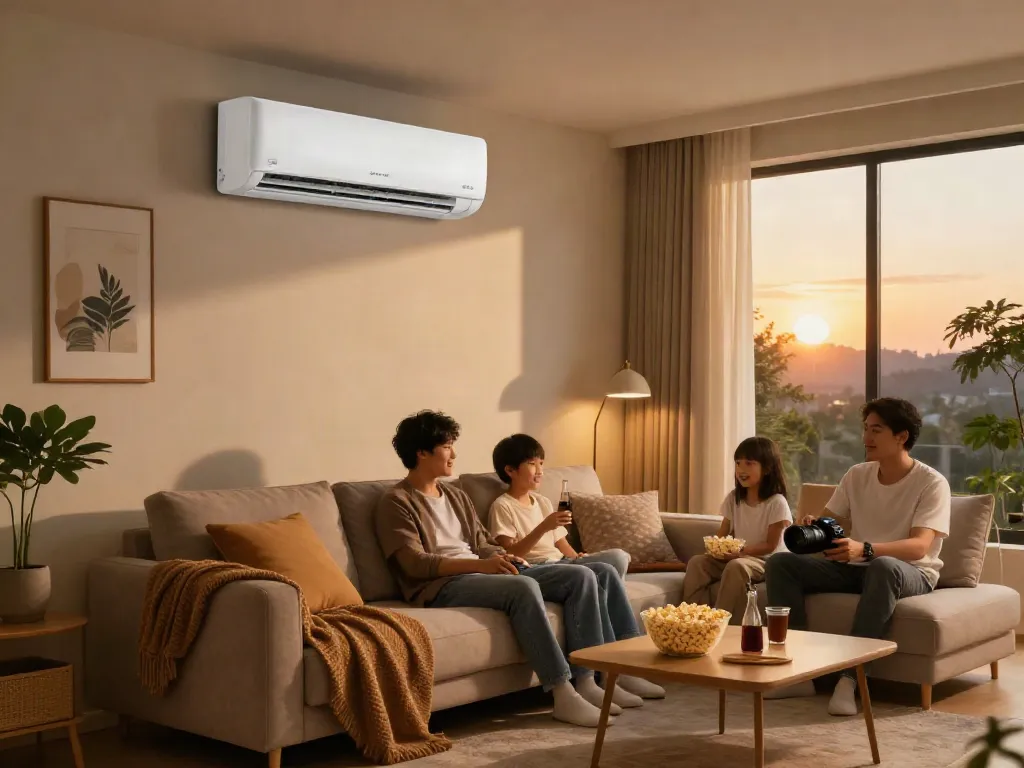
Understanding the Basics of Mini Split AC Units
As summer approaches and temperatures begin to rise, many homeowners are exploring options for efficient and effective cooling systems. One popular solution is the mini split ac unit, which offers flexibility, energy savings, and powerful performance. In this article, we will delve into the fundamentals of mini split air conditioning units, how they function, their benefits, and trends that define their evolution over recent years.
What is a Mini Split AC Unit?
A mini split AC unit is a type of heating and cooling system that operates without the need for traditional ductwork. Comprising two main components—a wall-mounted indoor unit and an outdoor compressor—the mini split system allows for targeted cooling in one or multiple rooms, making it ideal for homes without existing ductwork or where individual temperature control is desired.
How Mini Split Systems Work
Mini split systems work on a heat exchange process, where refrigerant is moved between the indoor and outdoor units. The outdoor unit absorbs heat from the outside air and transfers it to the refrigerant. This refrigerant is then pumped indoors, where it releases the heat and cools the space. Some systems also offer reverse functionality, allowing them to provide heating in colder months, making mini splits versatile year-round solutions.
Benefits of Using Mini Split AC Units
- Energy Efficiency: Mini splits often boast higher SEER ratings compared to traditional AC systems, leading to lower energy bills.
- Customization: With the ability to control each indoor unit independently, homeowners can set different temperatures for various rooms, optimizing comfort and energy use.
- Easy Installation: Mini splits require only a small hole for the refrigerant lines, minimizing disruption during installation.
- Flexible Design: The compact design of mini splits allows for various mounting options, including wall-mounted, ceiling-mounted, or floor-mounted systems.
Comparing Mini Split AC Units: Then vs Now
Historical Development of Mini Split Systems
Mini split systems originated in Japan in the 1950s, primarily designed for residential cooling. Their introduction provided a response to the limitations of window units and central air systems. Over decades, advancements in technology have significantly improved their efficiency, functionality, and aesthetics, allowing them to gain popularity not only in Japan but across the globe.
Modern Innovations in Mini Split Technology
Today's mini split systems are equipped with smart technology features, including Wi-Fi compatibility, allowing users to control their systems remotely. Additionally, variable speed compressors enhance efficiency by adjusting the cooling output according to the space's temperature needs, providing a more consistent comfort level.
Energy Efficiency Improvements Over Time
Modern mini splits achieve impressive energy efficiency ratings, with many units exceeding 20 SEER. This progress is fueled by advancements in compressor technology, better insulation, and improved refrigerants that reduce environmental impact. As a result, homeowners investing in mini splits today often see a significant decrease in their energy consumption and utility bills.
Installation Insights: What to Expect
Installation Process for Mini Split AC Units
The installation of a mini split AC unit generally involves mounting the indoor unit on a wall, connecting it to the outdoor unit via refrigerant lines and electrical wiring, and ensuring proper drainage for condensation. Most installations can be completed in a few hours by a qualified HVAC technician, making it a less intrusive option compared to traditional ducted systems.
Professional vs DIY Installation: Pros and Cons
While hiring a professional ensures proper installation and adherence to code, some homeowners may consider a DIY approach to save money. However, DIY installations can void warranties and lead to improper functionality if not executed correctly. It is crucial to weigh the risks before deciding which route to take.
Common Challenges During Installation
Challenges may include ensuring correct refrigerant levels, managing electrical connections, and avoiding structural obstructions. Proper planning and consultation with a professional can mitigate these issues, ensuring a smooth installation process.
Cost Analysis: Investment in Mini Split Systems
Typical Costs of Mini Split AC Units in 2026
The cost of mini split AC units can vary significantly based on brand, features, and installation complexity. In 2026, homeowners can expect to pay between $2,000 to $5,000 for a complete system installation, factoring in both the unit and labor costs. Premium models with advanced features may come at a higher price point.
Long-Term Savings on Energy Bills
Though the initial investment may be higher than traditional systems, the energy savings provided by mini splits can quickly offset the costs. Homeowners may see reductions in energy bills of up to 30% annually, particularly with models featuring inverter technology, which adjusts power consumption based on demand.
Financing Options for Homeowners
Many HVAC suppliers offer financing options to help homeowners manage the costs associated with purchasing and installing a mini split system. Additionally, homeowners may qualify for energy-efficiency rebates and incentives, further lowering their overall expenditure.
Future Trends in Mini Split AC Technology
Smart Technology Integration in Mini Splits
As smart home technology continues to evolve, mini split AC units are expected to incorporate even more advanced features, allowing users to monitor and control their systems through mobile apps, voice commands, and integration with other smart devices. This advancement will enhance user convenience and efficiency.
Predictions for the Next Decade in AC Development
Looking towards 2030, we can expect mini split systems to become even more sustainable, utilizing eco-friendly refrigerants and enhancing their overall efficiency. As climate change concerns rise, manufacturers will likely focus on creating systems that minimize carbon footprints while maximizing performance.
Environmental Considerations and Sustainability
With growing awareness around environmental issues, mini split manufacturers are investing in green technology, aiming to reduce waste and energy consumption. The trend toward more sustainable products is likely to gain momentum, encouraging consumers to opt for eco-friendly solutions.
Are Mini Split Systems Worth the Investment?
For many homeowners, the benefits of mini split systems—such as energy efficiency, flexibility, and ease of installation—make them a worthy investment. They offer a long-term solution to rising energy costs while providing comfort and convenience.
What Maintenance is Required for Mini Split AC Units?
Routine maintenance for mini split systems is minimal but necessary. Homeowners should clean or replace filters every few months, check for leaks, ensure proper drainage, and schedule annual professional inspections to maintain optimal efficiency and longevity.
How Do Mini Split Systems Compare to Traditional AC Units?
Unlike traditional central AC systems that rely on ductwork, mini splits offer an efficient alternative that can provide individualized cooling. They are generally quieter, more energy-efficient, and require less installation time than ducted systems.
What are the Disadvantages of a Mini Split AC Unit?
Despite their advantages, mini split AC units may have some drawbacks, including a higher upfront cost and aesthetic concerns, as indoor units need to be mounted on walls. Additionally, if multiple zones are required, installation costs can increase.
Why Choose a Mini Split AC Unit Over Other Systems?
Homeowners may opt for mini split systems due to their ability to cool specific areas, their energy efficiency, and the absence of ductwork. These units are particularly beneficial in older homes or spaces where traditional ducting is impractical.
How Much Does it Typically Cost to Install a Mini Split?
The installation costs can vary, but on average, homeowners should budget around $1,500 to $3,000 for the unit and professional installation. Pricing depends on factors such as the number of zones, brand, and system capacity.
Are Mini Split AC Units Effective in Cold Climates?
Modern mini split systems have advanced temperature control technology that enables them to perform efficiently even in cold climates. With features like heating mode and variable speed compressors, these systems can provide adequate warmth even in lower temperatures.