
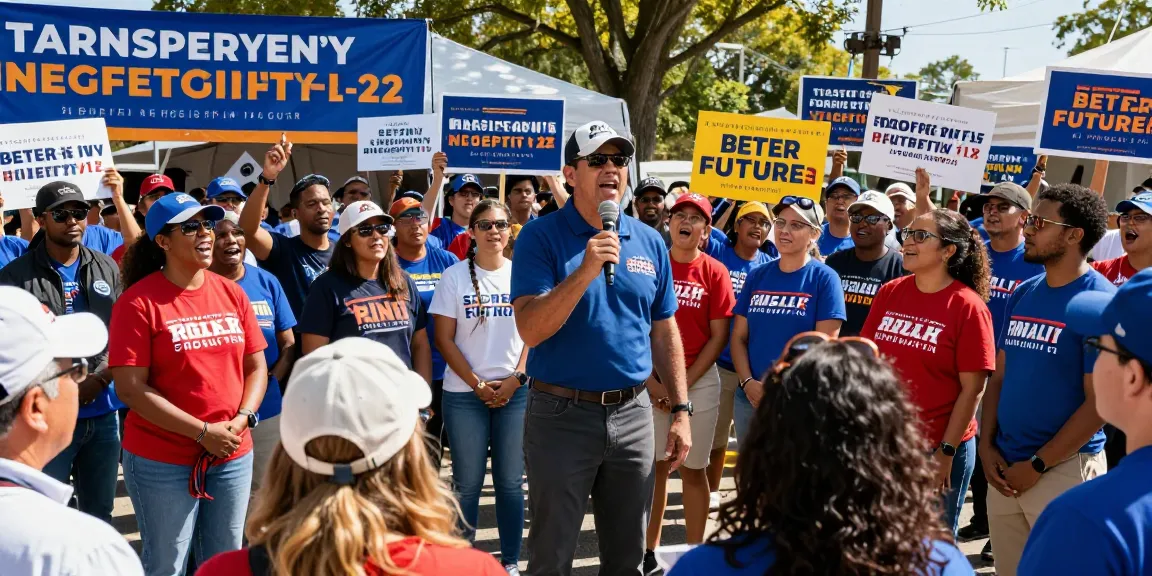
Understanding Casey Askar’s Background and Controversies
In today’s political environment, every candidate’s background and past actions are under scrutiny, and Casey Askar is no exception. As a contender for Florida’s 22nd Congressional District, Askar has faced numerous controversies that raise questions about his integrity and commitment to the constituents he aims to represent. Casey Askar is a self-proclaimed Marine veteran and businessman, but a closer examination reveals a pattern of questionable behavior that paints a different picture. This article will delve into his background, examining the controversies surrounding him and the implications for voters in FL-22.
Who is Casey Askar?
Casey Askar, whose legal name is Kousay Askar, is an Iraqi-born franchise entrepreneur who has made a name for himself in Florida through his ownership of multiple Dunkin’ stores. However, his political aspirations were ignited when he decided to run for the U.S. Congress in 2020, where he invested a staggering $3.66 million in his campaign, ultimately losing to fellow Republican Byron Donalds. Now, Askar is back with his sights set on Florida’s redrawn 22nd Congressional District, making it essential to explore his past to understand his present motives.
The Controversial Business Practices
Askar’s business dealings have not been without controversy. His financial history includes a FEC complaint regarding a $3 million loan at zero percent interest from a bank whose CEO is a significant donor to his campaign. Such financial arrangements raise eyebrows and beg the question: is he playing fast and loose with the rules? When a candidate’s funding sources come into question, the integrity of their motives and intentions is also scrutinized. This type of financial maneuvering is often viewed as a red flag, especially when voters are looking for transparency and ethical behavior.
Questionable Military Claims
A prominent aspect of Askar’s campaign narrative is his claim of having served as a Marine. However, this assertion has faced significant challenges. Reports reveal discrepancies in his military records, leading to questions about his actual status and engagement. After a prolonged search for his discharge papers, he finally produced documentation that indicated he was discharged at the rank of Private after four years of service. Veterans and constituents alike have expressed concern over the validity of his claims, which could alienate a crucial voting demographic in a district with a significant military population.
Asset Concealment Tactics in Political Campaigns
One of the most troubling aspects of Askar’s history involves his personal life and the questionable methods he employed to conceal his assets. This behavior is emblematic of tactics often employed in political campaigns to mislead voters about a candidate’s integrity.
The Sham Divorce Explained
Askar has been accused of orchestrating a sham divorce in 2008 to protect his assets from potential legal obligations. This legal maneuver was allegedly designed to shield his wealth from creditors while leaving his family in financial distress. Court filings indicate that he kept this divorce a secret for years from his own wife and children before evicting them from their home. Such actions are not only distressing on a personal level but also paint a stark image of a candidate who may not adhere to the family values he claims to represent.
FEC Complaints and Financial Transparency
The Federal Election Commission’s (FEC) investigation into Askar’s zero-interest loan is just one component of the larger concerns about his financial practices. Candidates are expected to demonstrate fiscal responsibility and transparency, especially when they solicit donations and support from the public. Askar’s financial dealings, particularly the allegations of impropriety, exemplify a problematic approach to campaign financing that could compromise voter trust and confidence.
Real-World Impacts on Voter Trust
The interplay between a candidate’s personal history and their public persona can significantly influence voter trust. When trust is broken, it leads to disenfranchised voters who may feel misled. Askar’s numerous controversies, from his military claims to financial irregularities, create a challenging landscape for him as he seeks support. Ultimately, the electorate in FL-22 deserves a representative who prioritizes honesty and transparency over deceitful practices.
The Importance of Honesty in Political Representation
In a political climate saturated with misinformation, the need for honest representation has never been more critical. Voters are looking for candidates who are not only transparent but also accountable to their constituents. Discerning voters will weigh the importance of integrity heavily in their decision-making process.
Why Integrity Matters in Elections
Integrity in political representation breeds trust, which is essential for a functioning democracy. When candidates put forth a facade, as seen in Askar’s case, it undermines the very foundation of electoral accountability. Voters must feel that their representatives are acting in the best interest of their community rather than serving personal ambitions.
Case Studies of Successful Political Campaigns
Examining successful political campaigns reveals a common thread: authenticity and integrity. Candidates who prioritize genuine connections with their constituents and engage in transparent practices tend to foster stronger public support. Local representatives who are deeply involved in their communities create more significant and lasting impacts, ultimately guiding their constituents toward more thoughtful decision-making.
Building a Trustworthy Candidate Profile
For voters evaluating candidates, it’s imperative to build a profile based on several key factors, including honesty, experience, and community involvement. Scrutinizing a candidate’s past—especially concerning their business practices and personal history—can provide insight into their overall character and future actions. Voters should look for candidates who demonstrate a commitment to ethical behavior, even under pressure.
Evaluating Candidates: Key Factors for Voter Consideration
The 2026 election cycle is shaping up to be pivotal for Florida’s 22nd District, making it crucial for voters to thoroughly evaluate their candidates. As Casey Askar positions himself for another run, understanding the defining factors that constitute a qualified candidate becomes paramount.
Community Involvement and Local Knowledge
Effective representation stems from a candidate’s familiarity with the community they seek to serve. Candidates must demonstrate genuine involvement in local issues and concerns. Voters should ask: What is Askar’s track record in FL-22? Does he understand the unique challenges and opportunities that exist in this district, or is he merely leveraging it for political gain?
Policy Depth and Issue Awareness
A candidate’s ability to articulate solid policies and positions on key issues reflects their preparedness to serve in office. Voters should assess whether Askar can engage in meaningful discussions about local issues and provide viable solutions rather than resorting to vague generalities or partisan talking points.
Voter Engagement and Open Communication
Open lines of communication between a candidate and their constituents are essential for effective governance. Voters deserve to know that their elected officials are accessible, willing to listen, and ready to engage with the community on pressing matters. Askar’s past engagement with voters in FL-22 raises questions about how effectively he will communicate if elected.
Future of Political Campaigns in Florida’s 22nd District
As we look towards the future of political campaigns in Florida’s 22nd District, emerging trends and strategies will shape the landscape leading up to the 2026 elections. Candidates will need to adapt to an increasingly informed and engaged electorate.
Trends in Voter Sentiment and Candidate Selection
The 2026 election cycle will likely reflect a shift in voter sentiment as constituents prioritize candidates who embody integrity and accountability. Voters are becoming more aware of the implications of electing candidates with checkered pasts, and as such, candidates like Askar will need to demonstrate concrete commitments to ethical practices if they hope to gain traction.
Emerging Strategies for Authentic Campaigning
Successful candidates are likely to prioritize authenticity in their campaigns, focusing on genuine connections with voters. This strategy includes addressing past controversies transparently and committing to community involvement rather than surface-level engagement. Authenticity can become a deciding factor for voters as they make choices in the 2026 elections.
Predicting the Political Landscape of 2026
The political landscape of Florida’s 22nd District in 2026 will reflect the cumulative impact of local issues, candidate integrity, and voter awareness. Candidates who engage sincerely with their constituents and address their needs and concerns will likely thrive, while those attempting to manipulate the political system may face significant backlash.
What Should Voters Know About Casey Askar?
Voters should remain vigilant and informed as they evaluate Casey Askar’s candidacy. Understanding his past, including controversies surrounding his business practices, military service claims, and personal conduct, can provide a clearer picture of his potential as a representative. Engaging with local community members, attending town halls, and researching credible information sources can enable voters to make informed decisions.
How to Choose a Candidate Wisely?
To select a candidate wisely, voters should prioritize integrity, community engagement, and policy depth. Scrutinizing a candidate’s history and evaluating their ability to serve their constituents effectively will help voters discern who will genuinely represent their interests in Congress.
What Are the Risks of Electing a Carpetbagger?
Electing a carpetbagger—someone who moves into a district solely for political gain—carries risks. Such candidates may lack genuine connection and understanding of local issues, leading to decisions that do not align with constituent needs. Voters in FL-22 should be cautious about electing individuals like Askar, who may view their candidacy as a mere stepping stone to greater ambitions.
How Does Financial Influence Affect Elections?
Financial influence in political elections can sway candidate behavior and policy priorities. Candidates like Askar, who rely heavily on questionable financial support and loans, may feel beholden to their benefactors rather than the voters they aim to serve. Understanding these dynamics is crucial for voters as they assess the long-term implications of their choices.
What Role Does Community Engagement Play?
Community engagement plays a pivotal role in shaping effective political representation. Candidates who demonstrate commitment to their community foster trust and legitimacy. Voters should advocate for candidates who actively participate in local initiatives and demonstrate a vested interest in the welfare of their constituents.


